



A growing number of Auckland homeowners are pushing back against “very high hazard” flood classifications appearing on their LIM reports — raising important questions about insurance, property value, and legal rights. In one North Shore neighbourhood, residents were surprised to learn their properties had been mapped within a “very high hazard” floodplain, despite no recent history of flooding at the scale implied by the classification. The concern is not simply academic. Once recorded on a LIM, hazard information becomes part of the permanent record associated with a property — and is routinely relied upon by insurers, lenders, and prospective buyers.
Why LIM Hazard Classifications Matter
A LIM report is intended to provide a consolidated summary of council-held information about a property, including natural hazards such as flooding, erosion or subsidence. However, Auckland Council has made it clear that its flood mapping is indicative rather than site-specific, derived from regional modelling rather than individual property inspections. This distinction is critical — but it is not always well understood in practice.
For homeowners, a “very high hazard” tag can have immediate consequences:
- Insurance premiums may increase, or cover may be restricted
- Insurers may impose additional disclosure requirements
- Banks may reassess lending criteria or risk exposure
- Property values may be affected
- Future development or alterations may face greater scrutiny
In effect, the presence of hazard data on a LIM can influence how risk is perceived — regardless of whether that risk has been verified at a site-specific level.
Insurance Implications for Homeowners
The insurance dimension is particularly significant. Hazard information on a LIM strengthens the expectation that a homeowner is aware of potential risks. This can affect:
- Duty of disclosure when obtaining or renewing insurance
- Underwriting decisions by insurers
- Claims outcomes, particularly where risk information was known or should have been known
As one resident noted, the classification creates “nervousness about insurance” — a concern increasingly shared across affected communities. Over time, widespread use of hazard data in LIMs may also influence the availability and affordability of insurance in certain areas.
Can Homeowners Challenge Hazard Classifications?
Homeowners are not without options if they believe a hazard classification is inaccurate or overstated.
Potential steps include:
- Requesting further information from Council, including modelling assumptions and data inputs
- Commissioning independent site-specific reports (e.g. hydrological or geotechnical assessments)
- Seeking a review or clarification of how the hazard has been recorded
- Engaging with Council through formal processes where responses are inadequate
While councils are not required to notify individual property owners when mapping is updated, they must ensure the information they hold is reasonably accurate and appropriately described.
If engagement with Council proves unsatisfactory, legal avenues may include:
- Formal complaints regarding administrative process
- Judicial review, where the issue relates to how a decision or classification was made
- Strategic engagement to ensure records accurately reflect available evidence
Advice for Property Purchasers
For both residential and commercial purchasers, hazard information on a LIM should be treated as a starting point — not a final conclusion.
Prudent buyers should:
- Obtain site-specific expert advice where hazard classifications are present
- Understand how insurers and lenders will interpret LIM data
- Consider long-term implications for resale, development and insurability
- Ensure full disclosure obligations are met in any transaction
Council hazard maps — including those referenced on LIMs — are typically generated using regional or catchment-level modelling. They are designed to flag potential risk areas, not to confirm the exact conditions affecting a specific site. Relying solely on indicative mapping may expose purchasers to avoidable risks, including:
- Overstated risk (e.g. showing flooding across a wider area than what occurs on an individual property)
- Missed mitigating features (e.g. elevation, drainage improvements, retaining structures)
Therefore, indicative mapping should be treated as a signal to investigate further, not as a definitive conclusion. If you are considering the purchase of a property impacted by Auckland Council’s hazard mapping, you should consider employing:
- A subject matter expert to verify or challenge risk
- Legal/insurance advice to better understand implications
These steps convert uncertainty into informed decision-making.
A Shifting Landscape for Property Risk
As councils incorporate more climate-related hazard data into LIMs, disputes of this nature are likely to increase. The intersection between council data, insurance practice, and property rights is becoming more complex — and more consequential for homeowners.
Wynyard Wood advises homeowners and purchasers on LIM hazards, insurance implications, and disputes with local authorities. If a hazard classification is affecting your property, our team can help you understand your position, assess your options, and respond effectively.
Related Articles:

Firm Foundation – Terms and Conditions of Trade
Strong terms of trade protect cashflow and limit risk. Learn what your business should include and how to ensure they are legally effective.
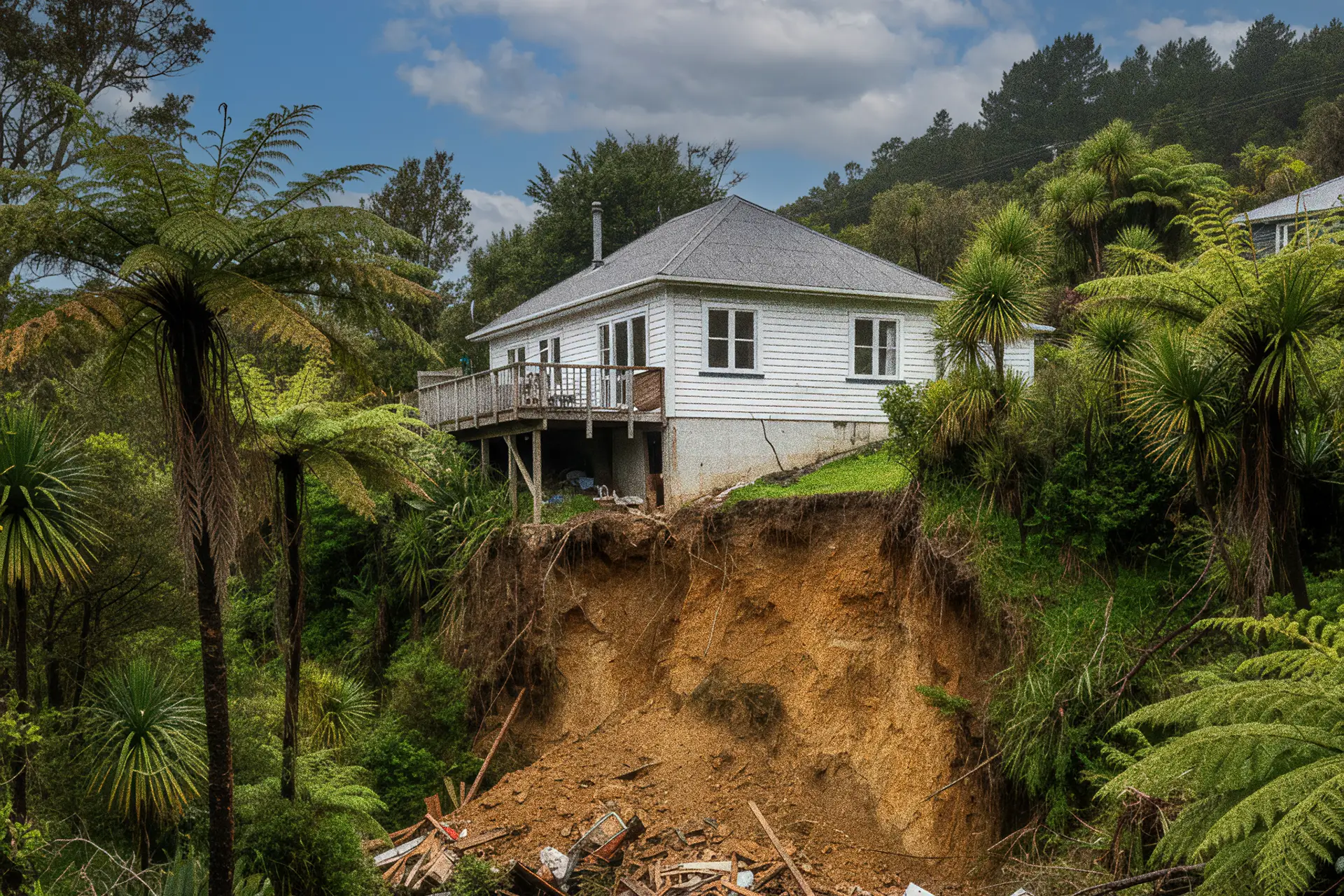
Council Disputes: Flood Buyout Changes and Contentious Slips
Flood buyout changes and slip disputes raise legal questions about council responsibility and what homeowners can do when refused assistance.

Who Is Responsible When an Auckland Council Tree Causes Damage?
Damage from an Auckland Council tree can leave homeowners stuck. Learn the legal avenues available when council responses fall short.
Related Services:

Offering a wealth of experience in insurance law, we are available to assist you or your clients with any insurance issues or problems that could benefit from legal advice.
Read More

Solving disputes for families and businesses: Disputes are an inevitable part of life – it is how you deal with them that counts.
Read More

The legal rules surrounding property are constantly evolving. See here for the many ways that we can help.