


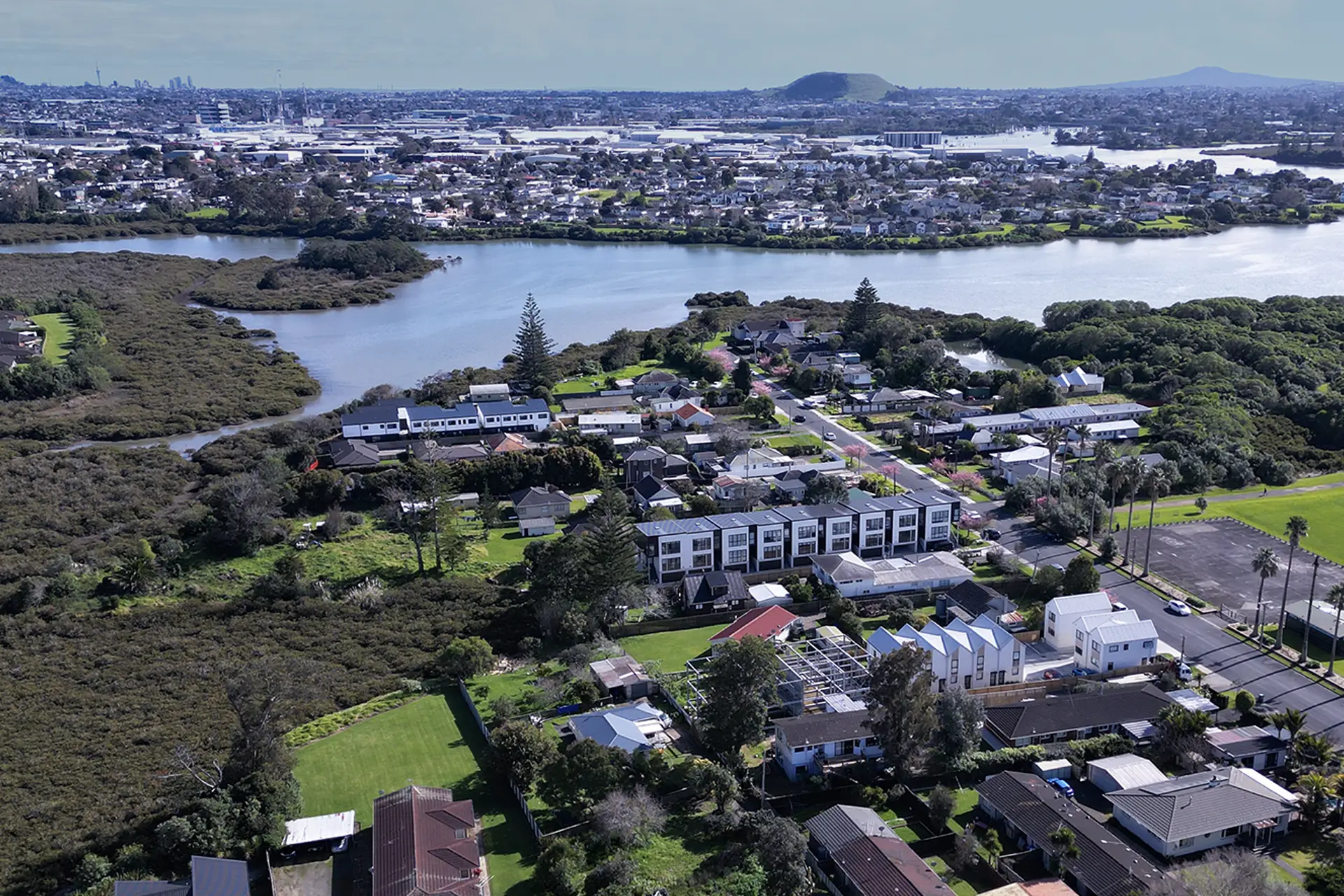
As the debate around Plan Change 120 (PC120) continues, a new concern has emerged — one that goes beyond building heights, density, and neighbourhood character. The most recent reporting argues that Auckland Council is preparing to intensify suburbs without first determining whether the infrastructure can safely or realistically support that growth.
The Issue in Brief
This issue introduces a distinct legal risk for Council: you cannot plan for more people without planning for the pipes, drains, transport and public services required to support them. When intensification outpaces infrastructure, councils expose themselves to challenges under the Resource Management Act, Local Government Act and long-standing principles of administrative law. This follow-up commentary builds on our earlier article on PC120 submissions by examining a different question: What happens when infrastructure readiness becomes a legal fault line?
1. Infrastructure Capacity Is a Legally Relevant Factor — and Council Must Consider It
The Times NZ article claims that Council is proposing up-zoning in areas with:
- insufficient wastewater capacity,
- inadequate stormwater networks, and
- no clear plan for schools, healthcare, transport or capital investment.
Under planning and administrative law, failing to consider these issues may amount to:
- Failure to consider mandatory relevant considerations
- Unreasonable or irrational decision-making
- Acting without evidence
- Inconsistent application of policy
These are textbook grounds for judicial review.
Example where Council may be open to challenge
A block of 70 apartments was proposed in a single-house zone and required sewage holding tanks because the local network could not cope.
If zoning changes encourage or enable similar developments despite known network limitations, residents may argue:
- Council approved or facilitated intensification without lawful consideration of health and environmental risks
- Council failed to give effect to Unitary Plan policies requiring infrastructure capacity to be demonstrated
- The decision was so unreasonable that no reasonable decision-maker could have made it
This is fertile ground for challenge.
2. The Tension Between Central Government Directives and Council’s Legal Obligations
The article asserts that central government required Auckland to revise the Unitary Plan twice since 2021 — a process costing ratepayers while undermining long-term planning.
Although government direction may force intensification, the Council remains the legally accountable decision-maker under:
- Resource Management Act
- Local Government Act
- Auckland Unitary Plan policies
- Common-law administrative duties
A council cannot defend a flawed decision by saying “Wellington made us do it.”
If Council intensifies areas without evidence of infrastructure readiness, it could face judicial review for:
- Failing to exercise independent judgment,
- Blind reliance on central government direction, or
- Ignoring statutory obligations to act prudently and protect communities from known risks.
This creates another avenue for challenge from private individuals or groups.
3. Legal Challenges Likely to Arise from PC120 if Implemented Without Infrastructure Planning
Here are three realistic scenarios where legal action may be mounted:
A. Judicial Review of PC120 Itself
A resident group or individual could argue the Council:
- Ignored material environmental risks (e.g., flooding, wastewater failures)
- Failed to assess infrastructure capacity before up-zoning
- Acted inconsistently by intensifying some constrained areas but not others
This is a direct challenge to the process, not the policy merits.
B. Appeals on Specific Intensification Areas
If PC120 proceeds to hearings, submitters could escalate the matter to the Environment Court, arguing that:
- Intensification is incompatible with stormwater or wastewater constraints
- Effects on public health or flooding risk are unacceptable
- The plan change conflicts with the Unitary Plan’s infrastructure policies
The example of soak holes and reduced permeable areas directly raises RMA concerns.
C. Challenging Individual Development Consents in PC120 Areas
Once intensification becomes operative, developers may seek larger or denser projects in areas where infrastructure is marginal. Residents could challenge resource consents by arguing:
- The Council failed to properly assess cumulative effects
- The development worsens localised flooding
- Wastewater networks cannot legally or safely support increased demand
- Council approval was inconsistent with policy or evidence
The sewage-holding-tank example demonstrates how tight infrastructure constraints can undermine the legality of consenting decisions.
4. A Constructive Legal Solution: Phased or Targeted Intensification
The Times NZ article suggests Council could request the Minister of Housing adopt a phased, infrastructure-ready intensification approach.
This is not only practical — it is legally prudent.
A phased approach allows:
- Infrastructure capacity modelling
- Alignment with Long-Term Plan funding
- A defensible roll-out sequencing
- Reduced exposure to judicial review or negligence claims
In other words: planning that can withstand legal scrutiny.
Conclusion
Auckland’s intensification programme faces a second challenge beyond community acceptance — legal defensibility. When decisions appear to blind to infrastructure capacity, councils create pathways for judicial review, Environment Court appeals, and multiple forms of consent-based litigation. This is a new and important discussion alongside our previous commentary on PC120 submissions, and one that will matter deeply to both residents and developers as intensification progresses.
Wynyard Wood advises individuals, developers and community groups on challenging or defending planning decisions, including infrastructure-related risks in intensification areas. If you have concerns about the legality or impact of PC120 in your area, our planning and public-law specialists can assist.
Related Articles:

Council Disputes: Flood Buyout Changes and Contentious Slips
Flood buyout changes and slip disputes raise legal questions about council responsibility and what homeowners can do when refused assistance.
Who Is Responsible When an Auckland Council Tree Causes Damage?
Damage from an Auckland Council tree can leave homeowners stuck. Learn the legal avenues available when council responses fall short.

Analysing Judicial Review in Auckland’s Flood Buyout Decisions
A look at the legal arguments behind a judicial review of Auckland Council’s flood buyout decisions, with guidance for homeowners facing similar disputes.
Related Services:

The legal rules surrounding property are constantly evolving. See here for the many ways that we can help.
Read More
If you are involved with a building project and need legal assistance, we can help you objectively review your circumstances, and what next steps are most appropriate for your situation.