


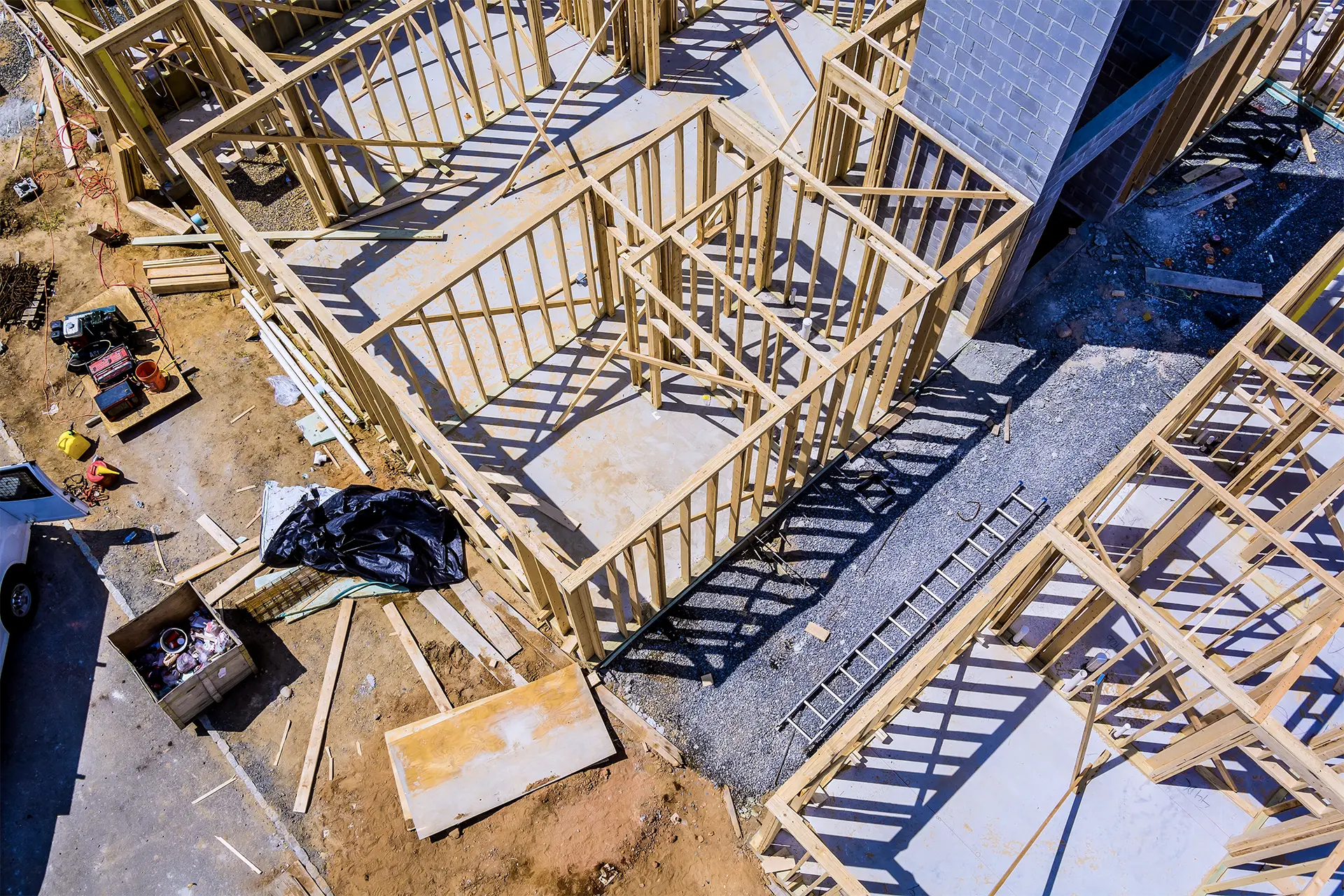
The Government has introduced what it describes as the most significant reforms to New Zealand’s building system in two decades, with the stated aim of making construction faster, more affordable, and more accountable while strengthening protections for homeowners. Although much of the discussion has focused on improving efficiency across the construction sector, the proposed reforms also have important implications for construction contracts, consumer rights, and how disputes may be resolved when building projects do not go to plan. For homeowners, developers and construction professionals alike, understanding these changes will become increasingly important if the legislation progresses.
A Shift in Responsibility
Perhaps the most significant legal change proposed is the move from joint and several liability to proportionate liability. Under the current system, one party may be required to pay the full cost of a defect, even where responsibility lies with multiple participants. The proposed reforms would instead make each party responsible only for the share of loss they actually caused.
While this is intended to create a fairer allocation of responsibility across the construction industry, it also places greater importance on clearly defining each party’s obligations from the outset.
That makes well-drafted construction contracts more important than ever.
Why Construction Contracts Matter
Construction projects rarely involve a single participant. Owners, builders, architects, engineers, subcontractors, consultants and suppliers may all contribute to a project. When defects arise, disputes often centre on questions such as:
- Who was responsible for the work?
- Was the work performed to the required standard?
- Were contractual obligations met?
- Who should bear the cost of rectification?
A carefully prepared construction contract helps answer these questions before disagreements arise.
Well-drafted agreements should clearly define:
- Scope of works
- Design responsibilities
- Timeframes
- Payment obligations
- Variations
- Defect liability
- Insurance requirements
- Dispute resolution procedures
As liability becomes more closely linked to individual responsibility, contractual clarity becomes even more valuable.
Stronger Consumer Protections
Alongside changes to liability, the proposed reforms introduce several new consumer safeguards.
These include:
- Mandatory professional indemnity insurance for design professionals
- Mandatory home warranties for most new builds and major renovations valued at $100,000 or more
- New offences intended to deter non-compliance
These measures are designed to improve consumer confidence while encouraging greater accountability throughout the construction sector.
However, warranties and insurance should not be viewed as substitutes for obtaining appropriate legal advice before contracts are signed.
Preventing Construction Disputes
Many construction disputes arise not because parties intended to disagree, but because expectations were never properly documented.
Before work begins, parties should ensure they have a clear understanding of:
- Contract terms
- Allocation of risk
- Insurance obligations
- Payment schedules
- Variation procedures
- How disputes will be managed if they occur
Addressing these issues early can often prevent disputes from escalating into costly litigation.
Resolving Disputes Efficiently
Even with careful planning, disagreements sometimes occur. Whether the issue involves defective workmanship, payment disputes, delays, professional negligence or contractual interpretation, obtaining legal advice early can help identify practical solutions before positions become entrenched. Many disputes can be resolved through negotiation or mediation without the need for lengthy court proceedings. Where formal proceedings become necessary, having clearly drafted contractual documentation often places parties in a much stronger position.
Looking Ahead
The Building Amendment Bill remains before Parliament and may change during the legislative process. Nevertheless, the proposed reforms signal a broader shift towards clearer accountability, stronger consumer protections, and more defined contractual responsibilities across New Zealand’s construction sector. Businesses and homeowners alike would be well served by reviewing their contractual arrangements now rather than waiting until the reforms become law.
Wynyard Wood advises homeowners, developers and construction professionals on construction contracts, dispute resolution, and building law. Whether you are negotiating a new project or resolving a construction dispute, our team can help protect your interests and minimise legal risk.
Related Articles:

When Heritage Buildings are Allowed to Decay What are the Legal Responsibilities
Heritage building disputes raise issues around property maintenance, purchaser due diligence, council obligations, and neighbouring property rights.

How Resident Opposition Can Influence Property Development Outcomes
When large-scale property developments are proposed, it is easy to assume the outcome is already decided. However, a recent case in Mt Albert shows that is not always the reality.

The Implications of Auckland Council Flood Maps
Council Flood Map classifications can impact insurance, lending and value. Learn your rights and options to challenge or clarify these risks.
Related Services:
If you are involved with a building project and need legal assistance, we can help you objectively review your circumstances, and what next steps are most appropriate for your situation.
Read More

Solving disputes for families and businesses: Disputes are an inevitable part of life – it is how you deal with them that counts.