


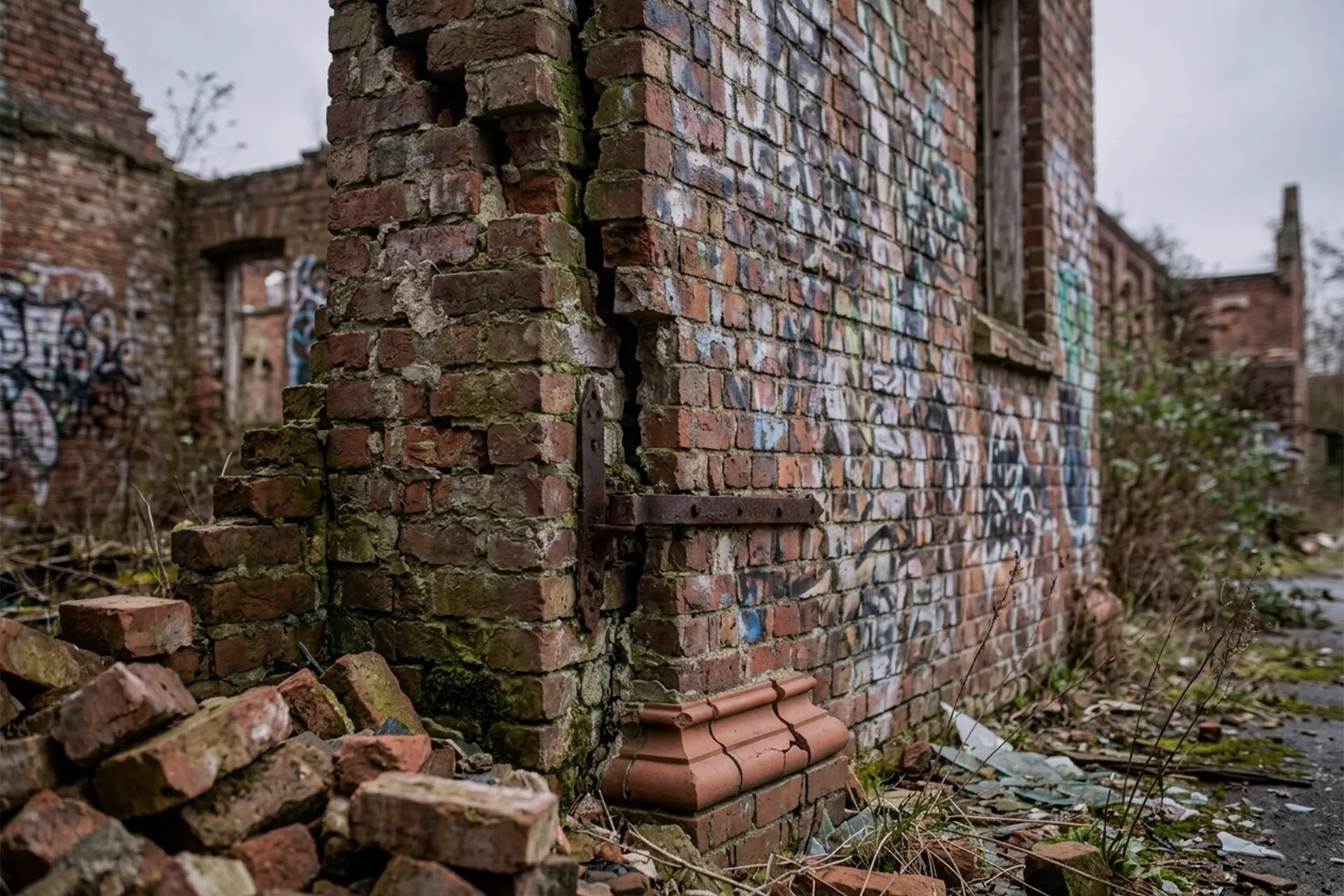
Auckland Council has issued a formal bylaw notice over the deteriorating condition of Carrington Building One — a category one heritage building located on the former Unitec site in Mt Albert — following growing public concern about the state of the property.
Background
The building, once part of the historic Carrington psychiatric hospital complex, has reportedly suffered years of vandalism, water damage, broken windows, graffiti, and neglect since the surrounding land was earmarked for a major residential development. Concerns escalated after roof tiles were removed, exposing the structure to ongoing water ingress and what has been described as “serious and progressive structural damage”.
The situation has sparked criticism that the building is effectively being “demolished through neglect” — a phrase increasingly used in heritage disputes where historically significant properties are allowed to deteriorate rather than being actively maintained.
The Responsibilities of Owners of Heritage Buildings
Owning a legally protected heritage building carries obligations beyond those attached to an ordinary property.
In Auckland, heritage protections may arise through:
- Heritage scheduling under the Auckland Unitary Plan
- Heritage overlays or precinct controls
- Building classifications such as Category One status
- General property maintenance and nuisance bylaws
These protections can significantly restrict:
- Demolition
- Alterations
- Removal of historic features
- Redevelopment options
Importantly, owners may also have obligations to prevent unreasonable deterioration where public safety or heritage values are affected.
In this case, Auckland Council issued a notice under the Property Maintenance and Nuisance Bylaw requiring action to secure the building and maintain barriers. The council has indicated prosecution may be available where compliance is not achieved, with potential fines of up to $20,000.
Due Diligence for Prospective Purchasers of Heritage Properties
The Carrington dispute also highlights the importance of thorough due diligence before purchasing heritage-listed property. Prospective buyers sometimes focus on the character or redevelopment potential of heritage buildings without fully appreciating the legal and financial obligations that can follow ownership.
Before purchasing a heritage property, buyers should carefully investigate:
- Whether the property is heritage scheduled or protected
- The extent of restrictions on redevelopment or alterations
- Existing maintenance obligations or compliance issues
- Structural condition and deferred maintenance risks
- Whether council notices, disputes, or enforcement action already exist
Heritage buildings can involve substantial ongoing costs, including specialist restoration requirements and consent processes that may not apply to standard properties.
Legal advice plays an important role in this process by helping purchasers:
- Understand title and planning restrictions
- Identify potential liabilities
- Assess development limitations
- Review council records and compliance history
- Structure negotiations and conditions appropriately
Failing to properly assess these issues before purchase can expose owners to unexpected legal and financial risk.
The Rights of Neighbours and Community Stakeholders
The article also demonstrates that neighbouring residents and community groups are not necessarily powerless where significant deterioration is occurring.
Depending on the circumstances, affected parties may have options including:
- Raising concerns directly with council
- Requesting enforcement action under bylaws or planning rules
- Participating in public consultation or planning processes
- Seeking information through council records
- Challenging decisions where councils fail to properly exercise statutory responsibilities
In some cases, neighbouring owners may also have private legal remedies where deterioration creates:
- Safety risks
- Nuisance issues
- Property damage
- Adverse effects on neighbouring land use or amenity
The ability to challenge or pressure action often depends on the specific planning framework, ownership structure, and condition of the property involved.
Heritage Protection and Development Pressures
As Auckland continues to intensify and redevelop large urban sites, tensions between heritage protection and development economics are likely to become more common. The Carrington situation highlights how disputes can emerge not only over demolition itself, but over whether insufficient maintenance effectively achieves the same outcome over time.
Wynyard Wood advises on property disputes, planning issues, and council-related matters, helping clients understand their rights and respond strategically.
Related Articles:

Construction Contracts Set to Change Under Landmark Building Reforms
Proposed construction law reforms reinforce why clearly drafted contracts are essential for managing risk and allocating responsibility.
How Resident Opposition Can Influence Property Development Outcomes
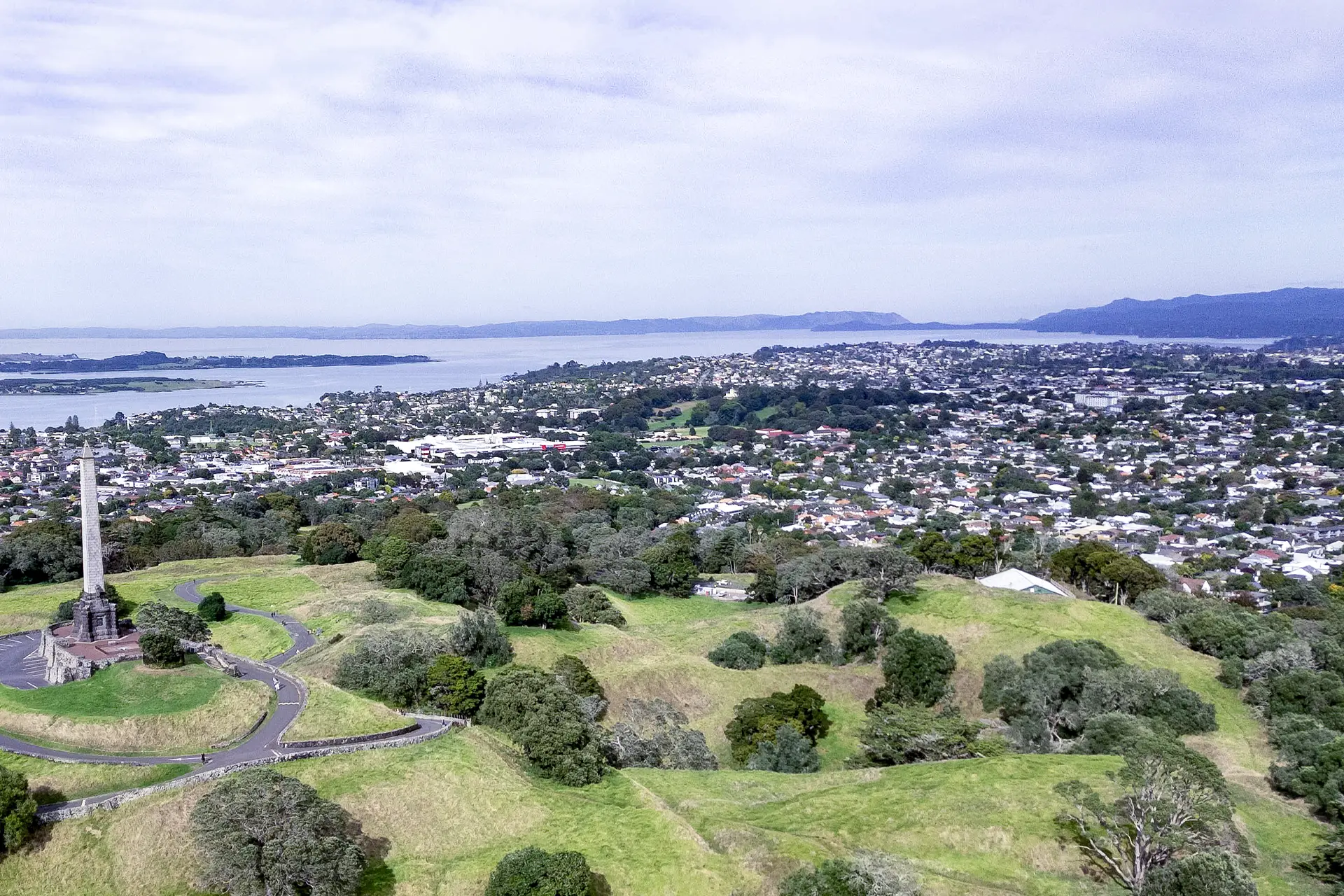
When large-scale property developments are proposed, it is easy to assume the outcome is already decided. However, a recent case in Mt Albert shows that is not always the reality.

The Implications of Auckland Council Flood Maps
Council Flood Map classifications can impact insurance, lending and value. Learn your rights and options to challenge or clarify these risks.
Related Services:

The legal rules surrounding property are constantly evolving. See here for the many ways that we can help.
Read More

Solving disputes for families and businesses: Disputes are an inevitable part of life – it is how you deal with them that counts.