


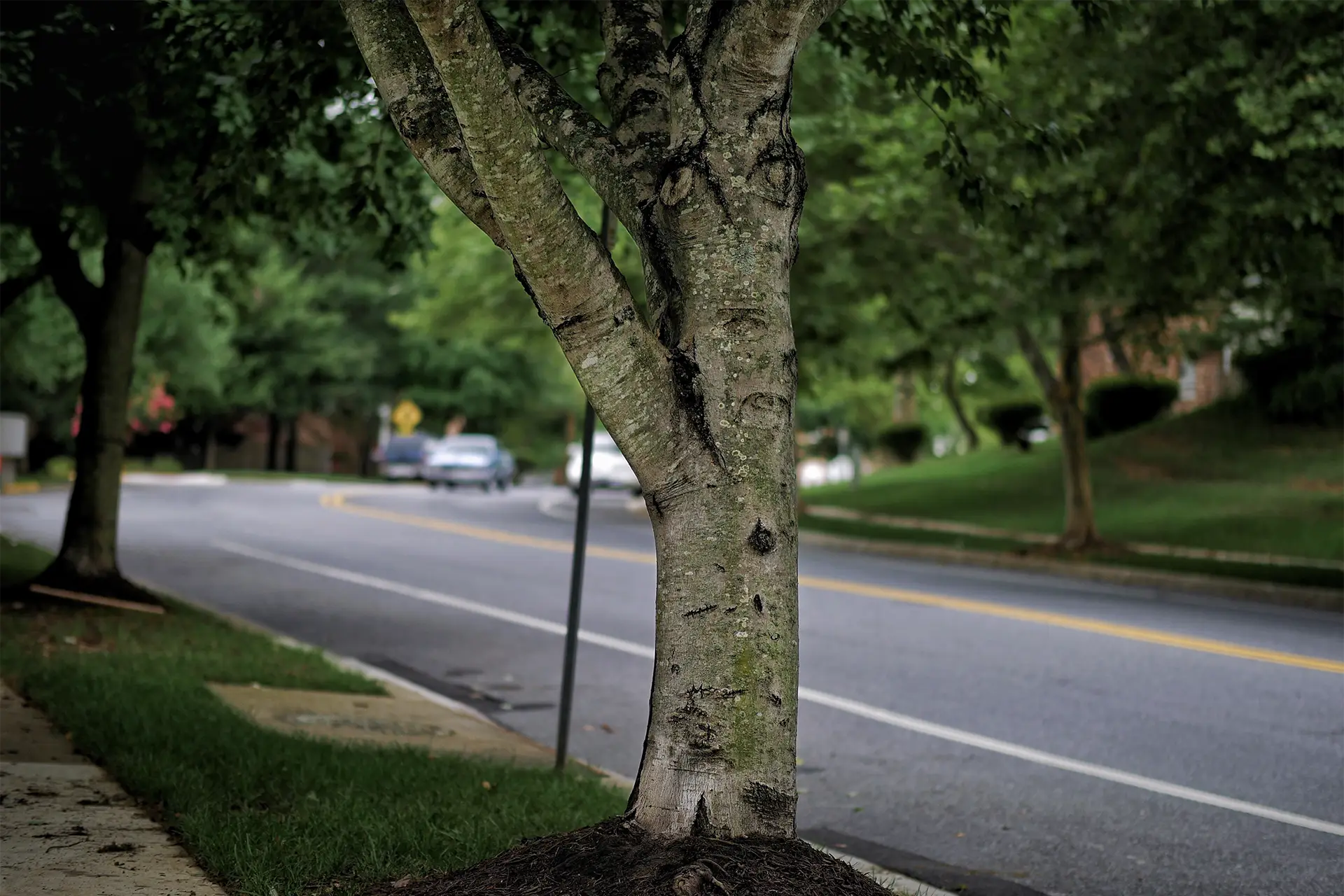
A West Auckland homeowner’s long-running dispute with Auckland Council over a roadside tree highlights a recurring and often misunderstood issue for ratepayers: what legal options exist when an Auckland Council tree causes damage to private property, and council responses fall short. In this case, the homeowner spent years being told the tree damaging his driveway was on private land, only for the Council to later confirm—after a privately funded survey—that the tree sits on public land within an urban road corridor. Despite this, the dispute remains unresolved, with the Council offering $900 toward repairs estimated to cost between $7,000 and $12,000.
The Legal Issues at the Centre of the Dispute
Several legal principles are engaged when a council-owned or council-controlled tree causes damage.
1. Responsibility for Council-Owned Assets
Where a tree is confirmed to be on public land, Auckland Council (or Auckland Transport, depending on the corridor) is responsible for managing it. That responsibility includes:
- Ongoing maintenance
- Managing foreseeable risks
- Responding appropriately when damage is occurring or likely to occur
Prolonged uncertainty over land ownership, as occurred here, can itself become relevant when assessing whether Council acted reasonably.
2. Damage to Private Property and Infrastructure
The reported damage goes beyond cosmetic issues. The tree’s roots are alleged to have:
- Lifted and cracked a concrete driveway
- Displaced a water meter box
- Caused a water leak and increased water charges
Where Council infrastructure or assets interfere with private property, affected owners may have potential claims grounded in negligence, nuisance, or failure to properly maintain a public asset, depending on the facts.
3. Protected Trees and the Limits of Council Discretion
The tree in question is protected under the Auckland Unitary Plan, meaning removal would require resource consent and is treated as a last resort.
However, protection does not grant absolute immunity. Even protected trees must be managed in a way that does not unreasonably damage private property or create safety risks. Where damage is ongoing and unavoidable, councils must still consider mitigation options, including engineering solutions or, in limited cases, removal.
What Legal Options Do Ratepayers Have if Council Engagement Fails
For homeowners facing similar Auckland Council tree disputes, several escalation pathways may be available.
1. Formal Review and Written Decisions
Ratepayers should request clear, written confirmation of:
- Land ownership
- Asset responsibility
- The basis for any compensation offer
- Whether damage is accepted as being caused by the council tree
Clear documentation is critical if the dispute escalates.
2. Complaint to the Ombudsman
If council processes are prolonged, inconsistent, or unreasonable, a complaint to the Office of the Ombudsman may be appropriate. The Ombudsman can investigate maladministration, including unreasonable delay or poor decision-making.
3. Legal Action Through the Courts
In some cases, affected owners may pursue:
- A negligence or nuisance claim where damage is ongoing and foreseeable
- Judicial review, where the issue is not the outcome itself but whether Council followed a lawful and reasonable process
This may be particularly relevant where evidence (such as surveys or expert reports) is ignored or inconsistently applied.
4. Risk and Liability When Homeowners Act Themselves
This case also highlights a common dilemma: homeowners may be reluctant to repair damage for fear of disturbing roots, damaging a protected tree, or assuming liability if something goes wrong.
This risk underscores the importance of obtaining clear written approvals before undertaking any work near a council-controlled tree.
A Wider Issue for Auckland Ratepayers
Disputes involving Auckland Council trees are not uncommon, particularly where roots affect driveways, pipes, or foundations. This case demonstrates how prolonged uncertainty, modest compensation offers, and the interaction between protected tree rules and property damage can leave homeowners effectively stuck.
Understanding the legal framework—and knowing when to escalate—is often key to breaking that deadlock.
Battling the council? Wynyard Wood advises homeowners on disputes involving property damage, including the impact of Auckland Council trees, as well as council decision-making. If a council-owned tree is damaging your property and informal engagement has stalled, our team can help you assess liability, evidence, and your legal options.
Related Articles:
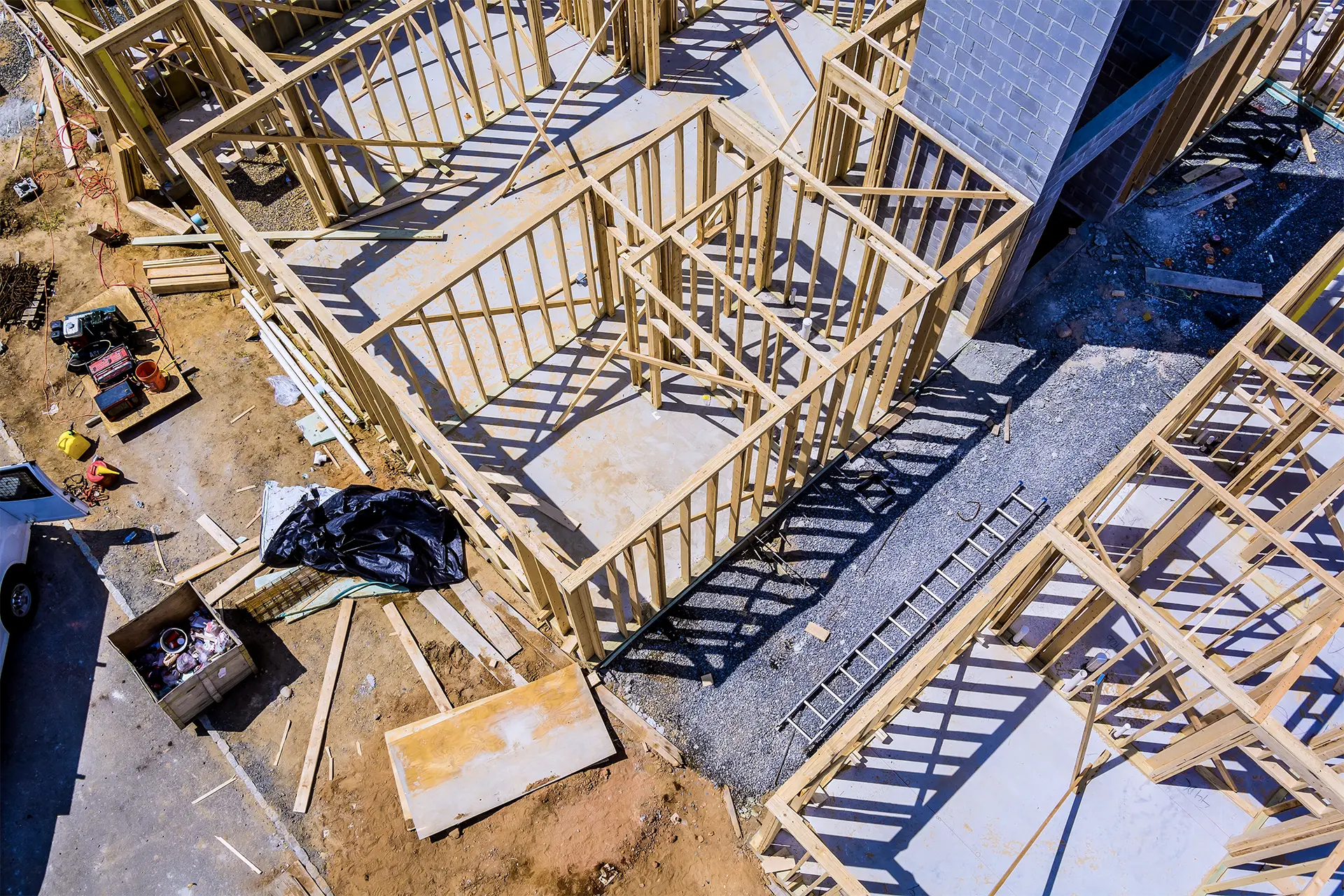
Construction Contracts Set to Change Under Landmark Building Reforms
Proposed construction law reforms reinforce why clearly drafted contracts are essential for managing risk and allocating responsibility.
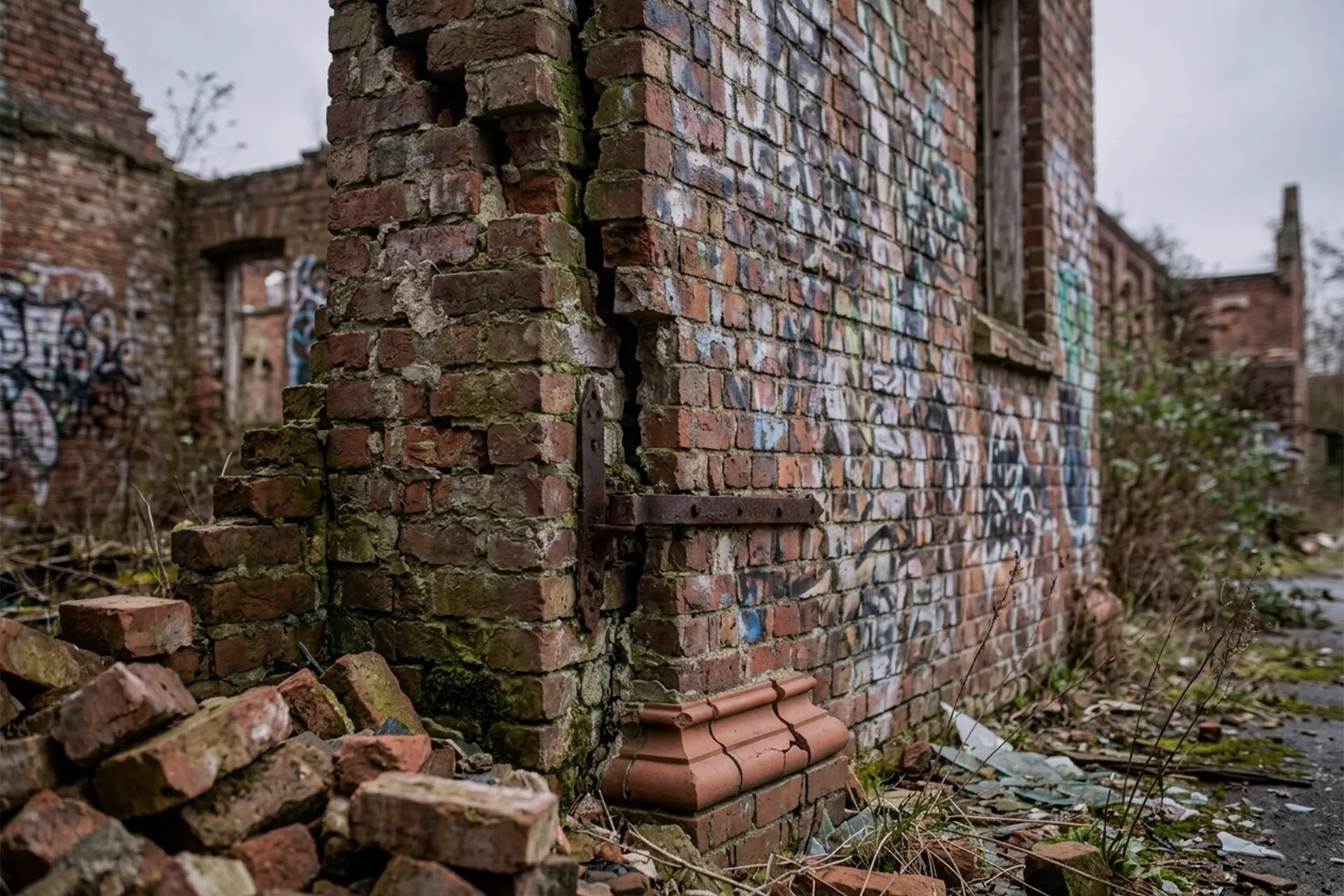
When Heritage Buildings are Allowed to Decay What are the Legal Responsibilities
Heritage building disputes raise issues around property maintenance, purchaser due diligence, council obligations, and neighbouring property rights.
How Resident Opposition Can Influence Property Development Outcomes
When large-scale property developments are proposed, it is easy to assume the outcome is already decided. However, a recent case in Mt Albert shows that is not always the reality.
Related Services:
The legal rules surrounding property are constantly evolving. See here for the many ways that we can help.
Read More

Solving disputes for families and businesses: Disputes are an inevitable part of life – it is how you deal with them that counts.