



The recent story involving Matamata-Piako District Council’s troubled land purchase in Te Aroha offers a clear reminder of the risks that arise when assumptions take priority over thorough due diligence. Although the circumstances are specific to a local authority, the underlying lessons apply broadly to businesses, developers, and private landowners navigating New Zealand’s property landscape.
Background
In 2022, the Council purchased a 7.2-hectare lifestyle block for $1.29 million with the intention of re-zoning it to light industrial to meet the town’s growing demand for commercial land. But a $300,000 feasibility study conducted after the purchase found a fundamental problem: more than half of the land sits on a flood-prone wetland, rendering the intended use unachievable.
The property was later declared surplus, with no clear path forward and mounting costs for ratepayers.
While this type of misstep is notable when it involves public funds, the underlying issue is not unique to councils. It is the same challenge any party faces when purchasing land based on assumptions about zoning, usability, or development potential without confirming the facts first.
Due Diligence Must Come Before Commitment
Whether the buyer is a council, developer, or homeowner, due diligence is not a box-ticking exercise—it is the foundation on which every informed property decision rests. When undertaken too late, the consequences can be costly.
Key diligence steps that should occur before signing or settlement include:
- Zoning and planning investigations, including whether a proposed zoning change is realistic.
- Environmental and geotechnical assessments, especially when wetlands or floodplains may be present.
- Feasibility studies aligned with intended use, not just with existing land status.
- Independent legal review to identify constraints, easements, and compliance issues.
In the Te Aroha case, the feasibility study came after the purchase—reversing the logical order and leaving the Council with land it could neither use nor easily resell. Former councillors described the purchase as being made “on the hoof”, driven by public pressure to secure industrial land.
Time pressure often creates a false sense of urgency, but it rarely justifies skipping foundational steps.
The broader lesson is simple: development aspirations, market demand, or political momentum should never override the need for proper investigation. Assumptions—especially optimistic ones—are not a substitute for facts.
When a Property Must Be Sold Back: Rights and Realities
Once the land was deemed unfit for purpose, the Council took steps to dispose of it, offering to sell the property back to its former owners for $1.1 million—roughly $200,000 less than it paid.
This raises another set of legal considerations that are increasingly relevant as land-use complexities grow: when (and how) sale-back scenarios arise.
Contrary to common belief, previous owners usually have no automatic legal right of first refusal unless an agreement was written into the original sale contract or triggered under specific statutory regimes (such as Treaty settlements or public-works reversions). Instead, councils and other public bodies typically follow internal policies or procedural fairness principles when deciding whether to offer land back.
Key considerations for sale-back situations include:
- Valuation method: Should the offer be at market value, original purchase price, or adjusted for known defects?
- Transparency obligations, particularly for public entities disposing of assets purchased with ratepayer funds.
- Timeframes and fairness, especially where the former owner expresses genuine interest but must secure significant funding.
- Reputational risk, as the public may scrutinise both the original purchase and the resale.
In this instance, the former owner’s family is attempting to raise the funds to acquire the property and establish an animal sanctuary. Regardless of whether that succeeds, the underlying legal questions highlight why sale-back processes benefit from clear contractual terms and early advice—both for buyers and sellers.
Lessons for Purchasers and Sellers Alike
The Te Aroha case is more than a curious local-government story. It illustrates the wider risks faced by anyone purchasing land based on future expectations rather than current realities. Sound due diligence protects buyers. Clear contractual frameworks protect sellers. And both reduce the likelihood of protracted, costly, and publicly scrutinised outcomes.
Wynyard Wood advises organisations, businesses, and private buyers on due diligence, land acquisitions, zoning issues, and sale-back scenarios. If you are buying, selling, our Conveyancing Team – specialists in property due diligence – can help you navigate the legal risks and protect your position.
Related Articles:

When Heritage Buildings are Allowed to Decay What are the Legal Responsibilities
Heritage building disputes raise issues around property maintenance, purchaser due diligence, council obligations, and neighbouring property rights.
How Resident Opposition Can Influence Property Development Outcomes
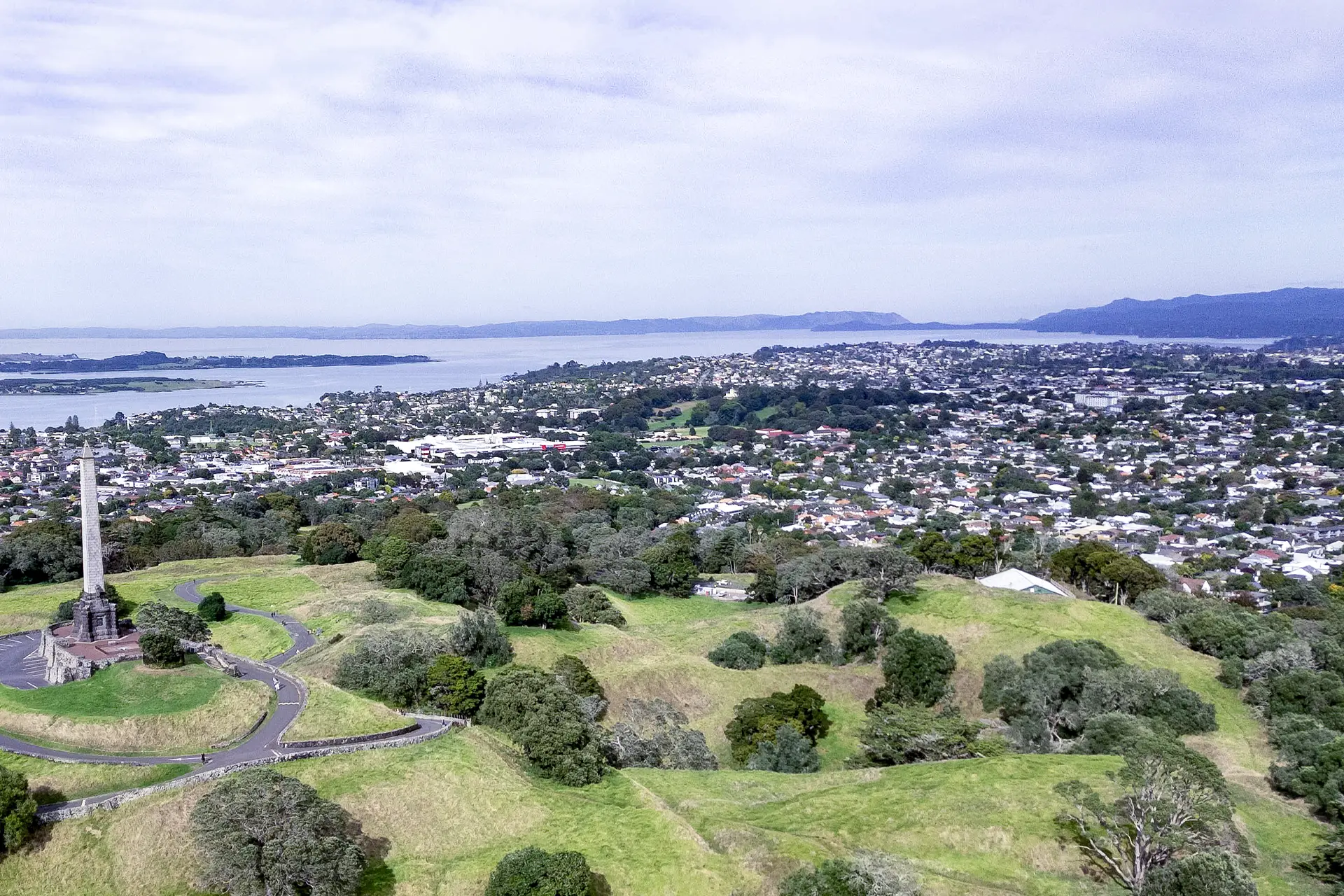
When large-scale property developments are proposed, it is easy to assume the outcome is already decided. However, a recent case in Mt Albert shows that is not always the reality.

The Implications of Auckland Council Flood Maps
Council Flood Map classifications can impact insurance, lending and value. Learn your rights and options to challenge or clarify these risks.
Related Services:

The legal rules surrounding property are constantly evolving. See here for the many ways that we can help.
Read More
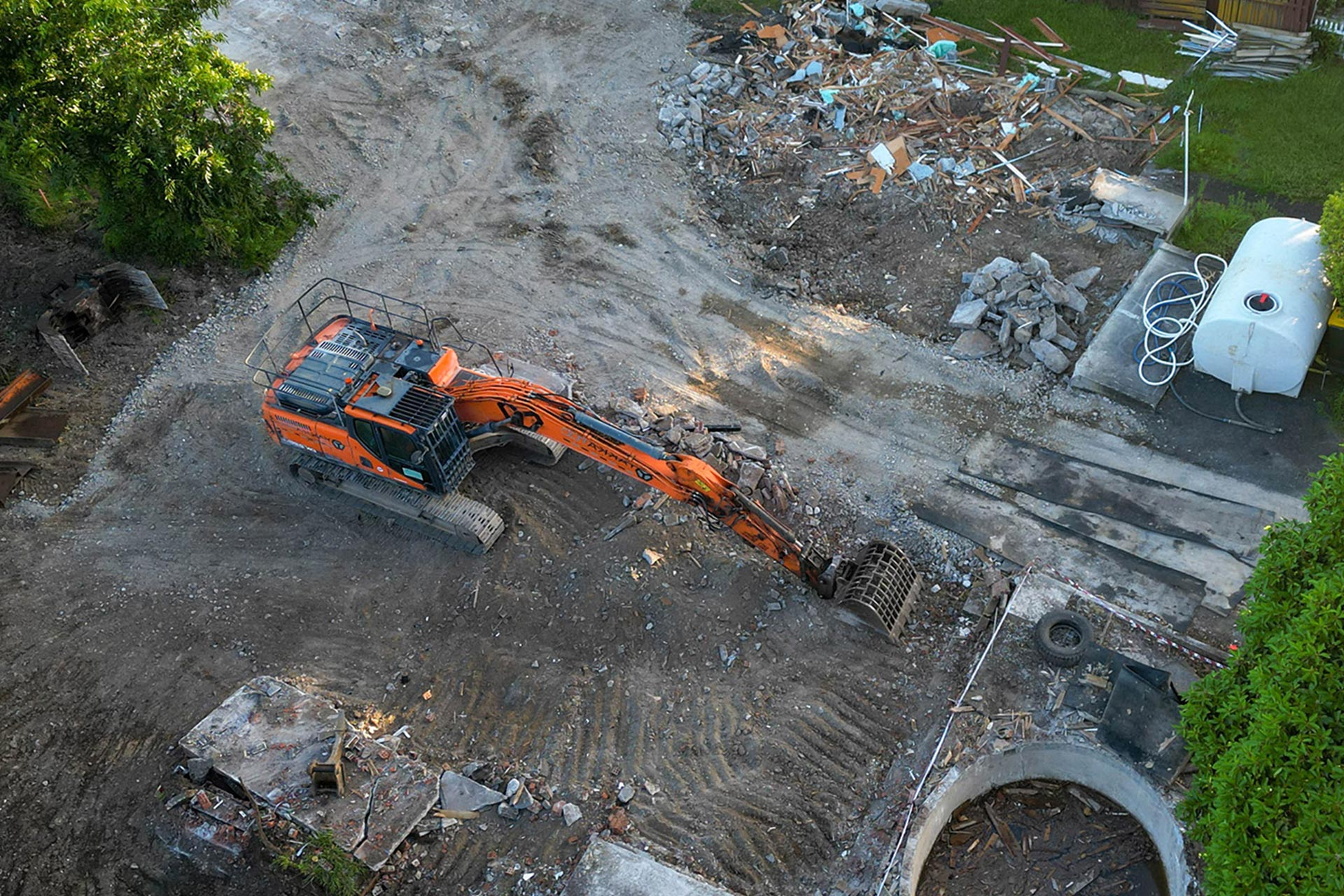
If you are involved with a building project and need legal assistance, we can help you objectively review your circumstances, and what next steps are most appropriate for your situation.