


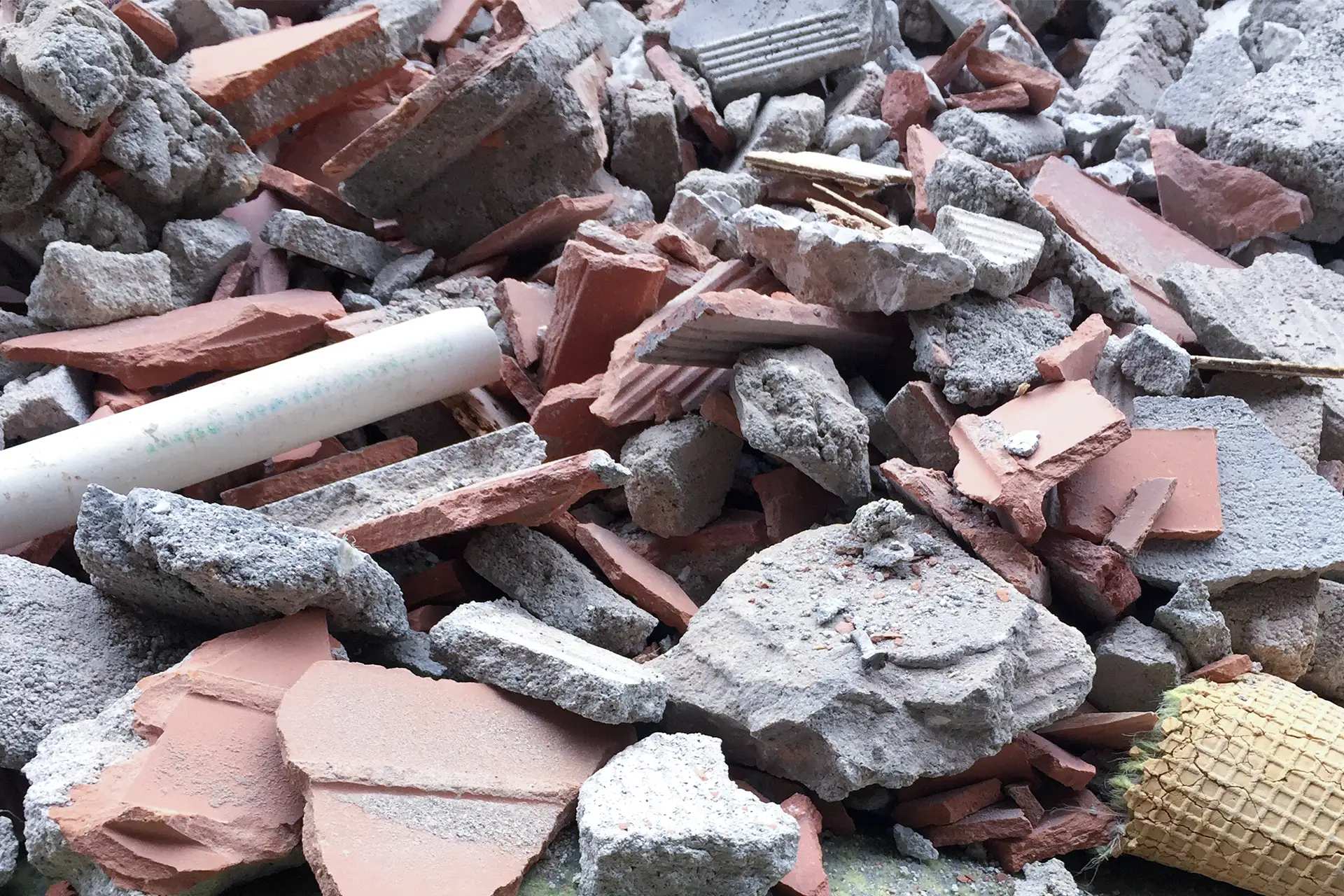
Illegal dumping is more than a nuisance—it is a legal and environmental challenge that can have serious consequences for property owners, communities, and the environment. A recent case in Auckland’s Waitākere foothills has highlighted how quickly a dispute can escalate when development activity crosses legal boundaries, and how vital it is for affected homeowners to understand their rights.
Background
In this case, a property owner found themselves battling against large-scale illegal dumping by neighbouring development company Luminex Investments Ltd, owned by Yiming Chen. Over time, the dumping grew into a mountain of construction waste on a 9.8-hectare Swanson property, prompting health, safety, and environmental concerns from neighbours Lisa and Mike Young-Padgett.
A Dispute That Escalated Beyond the Boundary Fence
What began as concerns about tree clearing and boundary encroachment quickly escalated into a legal dispute. According to Mike Young-Padgett: “Old buildings, vehicles and other demolition waste [were] pushed into a recent slip in the ecological area,” he said.
The couple attempted to resolve matters through direct engagement with the developers. Meetings were held and assurances were given—but those assurances were not honoured. The dumping continued, and tensions rose.
The situation deteriorated further when a colleague of Chen allegedly drove at the Young-Padgett family in what was described as a “threatening manner”. Police intervention followed, and criminal charges were laid. This illustrates how environmental disputes can quickly intersect with criminal law and personal safety issues.
Who Holds Responsibility in Illegal Dumping Cases?
This dispute triggered intervention by several parties:
- Auckland Council, which issued abatement notices and fines
- The Waitākere Ranges Protection Society (WRPS), which supported the homeowners
- The Environment Court, which ultimately ruled on enforcement and remediation orders
Despite council action, the illegal dumping continued until the affected neighbours sought legal recourse with the support of WRPS. As Mike explained: “In desperation, we turned to the Waitākere Ranges Protection Society… who put together a case… filed in the Environment Court”.
The Environment Court ordered Chen and Luminex Investments to stop all dumping and remediate the site under expert supervision. The Judge emphasised the urgency of the situation, stating environmental harm must be “remedied expeditiously”.
Key Legal Issues Raised
This case sheds light on several important legal issues for homeowners and landowners:
1. Property Rights and Trespass: Boundary disputes and unauthorised access became central to the conflict. Cutting trees and crossing onto neighbouring land without consent constitutes trespass and can trigger civil action.
2. Environmental Protection Laws: Illegal dumping breaches local authority bylaws, the Resource Management Act 1991 (RMA), and potentially environmental crime provisions. These breaches carry serious penalties, including fines and court orders.
3. Public Interest and Community Involvement: Community organisations like WRPS played a decisive role, showing how environmental matters can attract broad public interest and advocacy support.
4. Litigation as a Last Resort: This case demonstrates how litigation becomes necessary when regulatory action alone is insufficient. Court-ordered enforcement provided the only effective path to remediation.
The Cost of Inaction
Illegal dumping can depress property values, damage land, create health hazards, and cause long-term ecological harm. For affected homeowners, relying solely on council processes can be slow and frustrating. Proactive legal advice often becomes essential—especially when dealing with uncooperative or repeat offending developers.
Illegal Dumping: Why Legal Representation Matters
Whether the site remediation will fully occur remains uncertain, as acknowledged by the affected neighbours. This uncertainty reinforces why homeowners must protect their property interests early and firmly.
If you are dealing with illegal dumping, boundary damage, or unauthorised activity affecting your land, Wynyard Wood can help. Our Dispute Resolution team advises homeowners on their rights and legal options, from negotiation through to court enforcement. Contact us today for practical guidance and representation to protect your property.
Related Articles:
Construction Contracts Set to Change Under Landmark Building Reforms
Proposed construction law reforms reinforce why clearly drafted contracts are essential for managing risk and allocating responsibility.
When Heritage Buildings are Allowed to Decay What are the Legal Responsibilities
Heritage building disputes raise issues around property maintenance, purchaser due diligence, council obligations, and neighbouring property rights.

How Resident Opposition Can Influence Property Development Outcomes
When large-scale property developments are proposed, it is easy to assume the outcome is already decided. However, a recent case in Mt Albert shows that is not always the reality.
Related Services:

Solving disputes for families and businesses: Disputes are an inevitable part of life – it is how you deal with them that counts.
Read More
If you are involved with a building project and need legal assistance, we can help you objectively review your circumstances, and what next steps are most appropriate for your situation.