


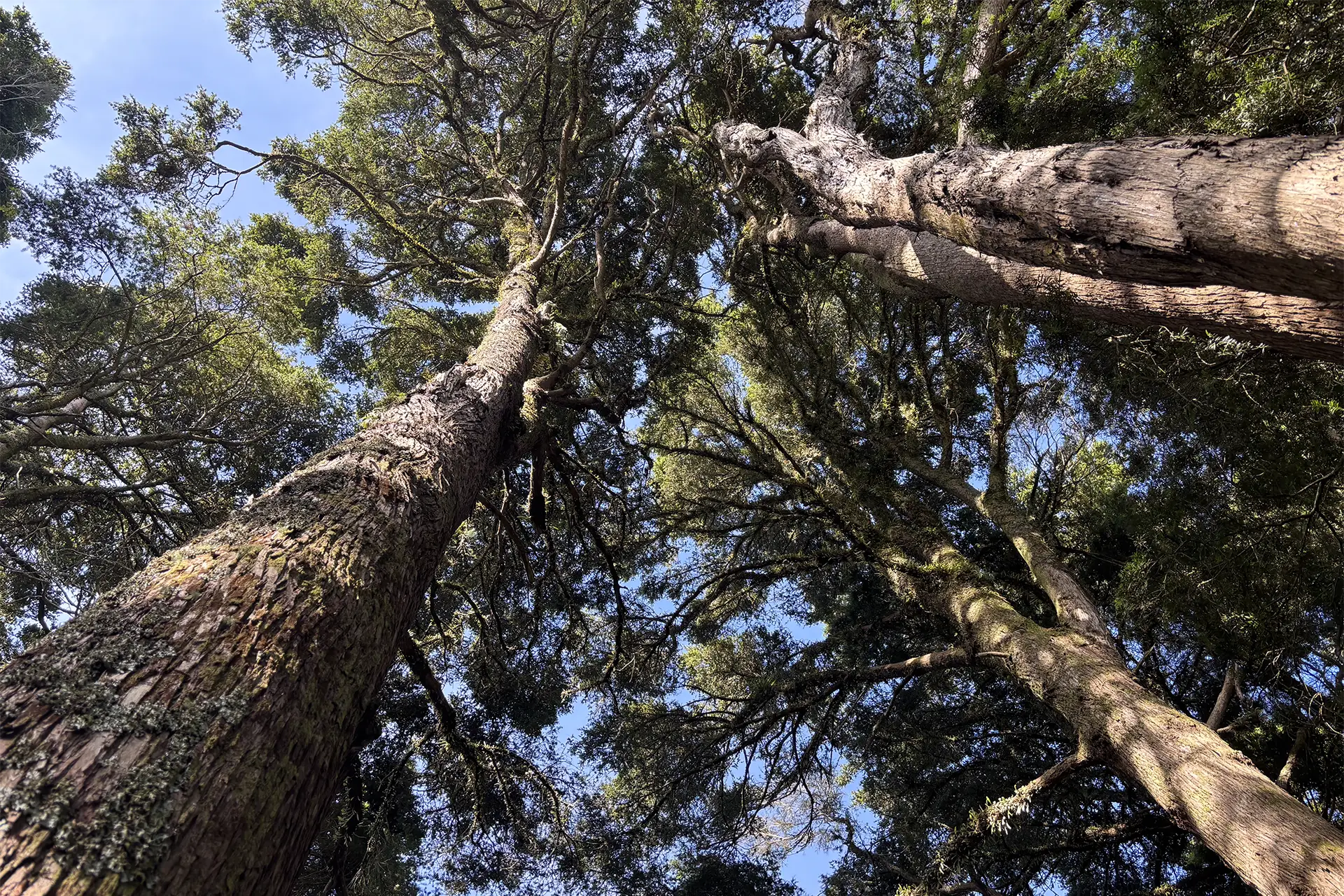
A recent Auckland District Court decision fining a local arborist nearly $30,000 for trimming a protected tōtara has reinforced the legal responsibilities professionals face when working with notable or heritage trees. The ruling against DS Trees Limited—found guilty of unconsented work under the Resource Management Act 1991 (RMA)—illustrates how compliance failures, even when unintentional, can carry substantial consequences for individuals and companies alike.
The Legal Context: Understanding the Protected Tōtara Rules
Under Auckland Council’s Unitary Plan, protected tōtara trees and other “notable” species are afforded special legal status due to their ecological, cultural, and historical significance. Any work—including pruning, trimming, or root disturbance—typically requires prior consent from the council. Failure to secure consent constitutes a breach of the RMA, which treats such offences as harm to the environment and the public interest.
In this case, Judge Sheena Tepania described the arborist’s actions as showing “high culpability,” adding that professionals “should have known better” when handling protected vegetation. The breach, according to the company, stemmed from an “administrative error,” yet the court deemed this explanation insufficient. The outcome demonstrates that compliance obligations under the RMA are strict and extend beyond intent or misunderstanding.
Why the Outcome Matters
While the fine was issued under the previous penalty framework, the company still faced the consequences of new legislative amendments that ban insurance coverage for environmental fines. This change means that businesses and their directors must personally bear the cost of penalties arising from RMA breaches—a development intended, as Auckland Council prosecutor John Kang noted, “to strengthen deterrence and accountability.”
For arborists, landscapers, builders, and property owners, the case serves as a critical reminder that ignorance of the law offers little protection. As Council investigations team leader Paul Cowling remarked, “Arborists are expected to be experts in their field, that means knowing and following the rules and respecting them.”
Who Is Affected?
This precedent affects multiple parties. Professional contractors are now directly liable for errors made under their supervision. Property owners commissioning work on protected land or trees also risk secondary liability if they fail to confirm that required consents are in place. Even insurers must adjust policies and risk frameworks, as environmental fines are now excluded from cover.
At a broader level, the case reinforces Auckland Council’s commitment to protecting the city’s “urban ngahere” — the living canopy of trees that contribute to biodiversity, climate resilience, and cultural heritage.
Legal Guidance for Businesses and Property Owners
For those navigating the complex landscape of resource management and environmental compliance, the lesson is clear: always confirm the status of trees before undertaking any work. Misjudging a protected tōtara or assuming prior consent can lead to financial loss, reputational damage, and potential prosecution.
Mistakes under the Resource Management Act can be costly. Wynyard Wood advises individuals, tradespeople, and businesses on environmental and consent-related disputes, including protected tōtara and RMA compliance. If unsure, contact us to clarify your obligations and reduce legal risk before undertaking any work, or to mitigate legal impact if mistakes have been made.
Related Articles:
Who Is Responsible When an Auckland Council Tree Causes Damage?
Damage from an Auckland Council tree can leave homeowners stuck. Learn the legal avenues available when council responses fall short.

Analysing Judicial Review in Auckland’s Flood Buyout Decisions
A look at the legal arguments behind a judicial review of Auckland Council’s flood buyout decisions, with guidance for homeowners facing similar disputes.

Flood Buyout Frustrations Build Amid Ongoing Auckland Council Disputes
As Auckland Council dispute cases continue over flood buyouts, homeowners seek clarity and legal support to resolve complex property and fairness issues.
Related Services:

Solving disputes for families and businesses: Disputes are an inevitable part of life – it is how you deal with them that counts.
Read More

We provide advice and guidance on all aspects of business. See how we can help.