



For many homeowners affected by proposed land acquisition, the most difficult part is not always the outcome — it can be the process itself. In the case of the proposed Airport to Botany rapid transit route, residents in Papatoetoe have described years of uncertainty, limited information, and a sense that their input has little impact on the final decision. One resident summed it up bluntly after participating in the submission process: “So it really did feel like we were going through a process for nothing.” That sentiment is understandable. But it is not the full picture.
The Reality Behind the Process
The project has identified up to 630 properties that may be impacted, with some ultimately expected to be acquired under the Public Works Act. At this stage, however, key details remain uncertain:
- The exact properties required have not yet been finalised
- The project is not fully funded
- Acquisition may not occur for several years
- Designations may remain in place for up to 15 years
For homeowners, this creates a prolonged period of uncertainty — affecting decisions around selling, improving, or even remaining in their homes. As one resident put it: “This started in 2021… it ain’t doing my health any good.”
Why It Can Feel Like Nothing Changes
The frustration expressed by residents often stems from how the process is structured. Submissions can be made. Evidence can be presented. Independent commissioners may even recommend changes. But ultimately, the designating authority — in this case Auckland Transport — is not required to adopt those recommendations. That disconnect can leave participants feeling that their efforts had little influence on the outcome. However, this is where the distinction between participating in a process and strategically engaging with it becomes critical.
Where Legal Support Changes the Equation
The perception that the process is “for nothing” often arises where property owners are navigating it alone. Legal involvement can materially change how effective that engagement is.
Understanding Where Influence Exists
Not every stage of the process carries the same weight. Legal advice can help identify:
- When submissions are most impactful
- Whether there are grounds for objection or appeal
- How to present evidence in a way decision-makers must properly consider
Moving Beyond Submissions
In the Papatoetoe case, 13 appeals were ultimately lodged by organisations — not individual homeowners — following the designation decision. Those appeals were resolved, and they played a role in shaping the final outcome. This reinforces a key point: formal legal steps often carry more influence than informal participation alone.
Addressing Practical Barriers
Cost is a real factor. One resident noted that even lodging an appeal felt out of reach. However, legal guidance can help property owners:
- Assess whether action is proportionate to the impact
- Explore shared or coordinated approaches with other affected owners
- Focus resources on the stages where outcomes can realistically be influenced
The Stakes for Property Owners
The issues raised in this case go beyond inconvenience.
Homeowners are facing:
- Potential compulsory acquisition of long-held family homes
- Concerns about whether compensation will allow them to remain in their community
- Impacts on property value while designation remains in place
- Limited visibility of how neighbouring properties are affected
As one resident described after decades in their home: “When you’ve lived here for more than 50 years… where would you go from here?”
These are not abstract planning issues — they are deeply personal outcomes.
A Different Way to Approach the Process
While it may feel at times that the system is weighted against individual property owners, the broader picture is more nuanced. As seen in both this case and the earlier land acquisition example, outcomes can and do shift through:
- Structured engagement
- Formal objections
- Appeals and negotiation
The key difference is often not whether someone participates — but how they participate.
We advise property owners on Public Works Act and negotiations with local authorities. If you are impacted by an Auckland Council land acquisition, our team can help you understand your rights, evaluate the offer presented, and approach the process strategically and with clarity.
Related Articles:

When Years of Uncertainty Come Before Public Works Act Acquisition
Public Works Act acquisitions can leave homeowners in limbo for years. Learn your rights and why early legal advice matters.

When Appeals Impact the Outcome of Public Works Act Land Acquisitions
Recent announcements on Auckland’s proposed Airport to Botany busway highlight how appeals can and do influence the final outcome of land acquisition decisions.
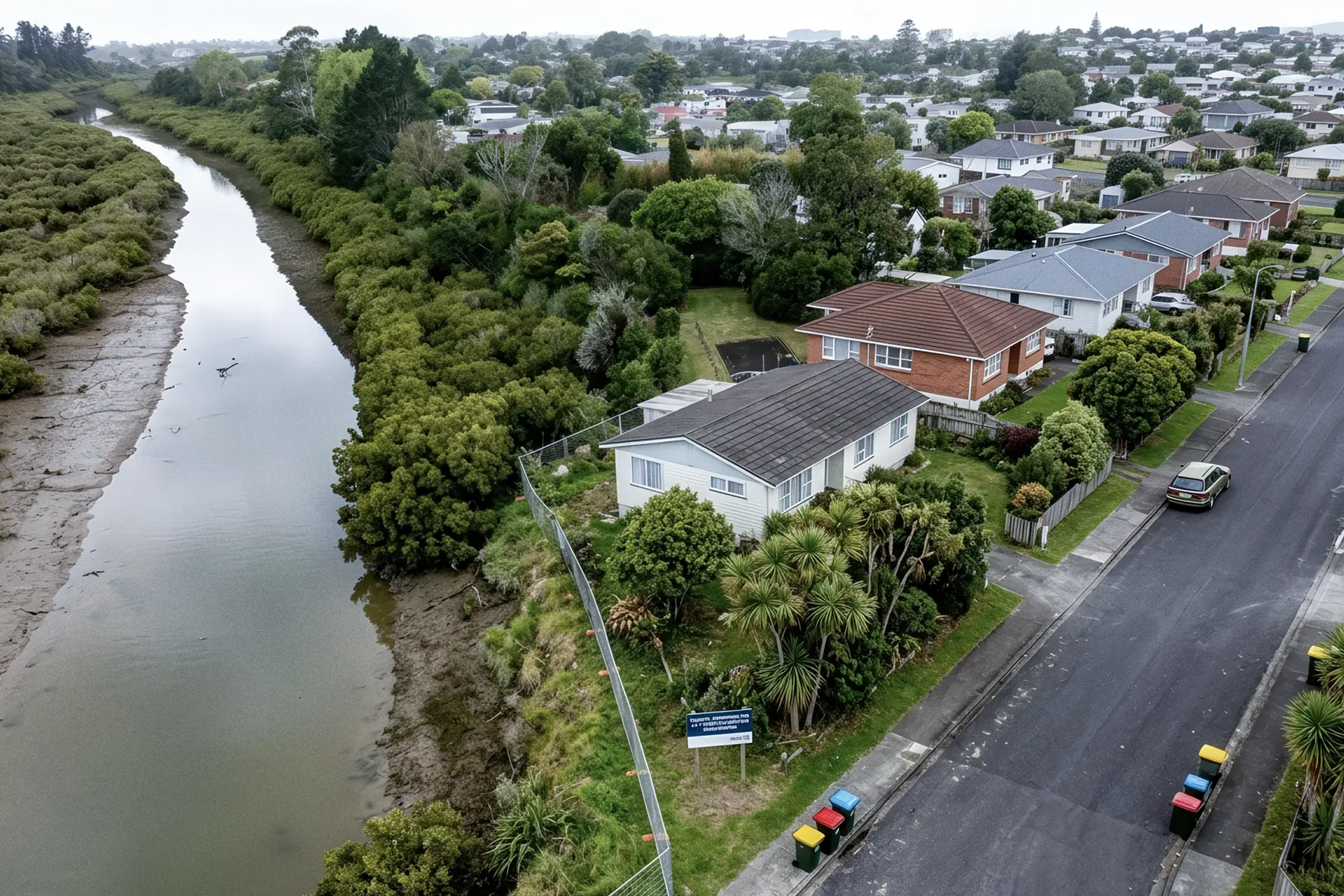
Facing an Auckland Council Compulsory Buyout?
If your property faces an Auckland Council compulsory buyout, know your rights and how to approach negotiations effectively.
Related Services:

Our experienced Public Works Act lawyers can advise you on your rights and obligations, assist in negotiating compensation, and represent you in legal proceedings if necessary.
Read More

Solving disputes for families and businesses: Disputes are an inevitable part of life – it is how you deal with them that counts.